IKEDA
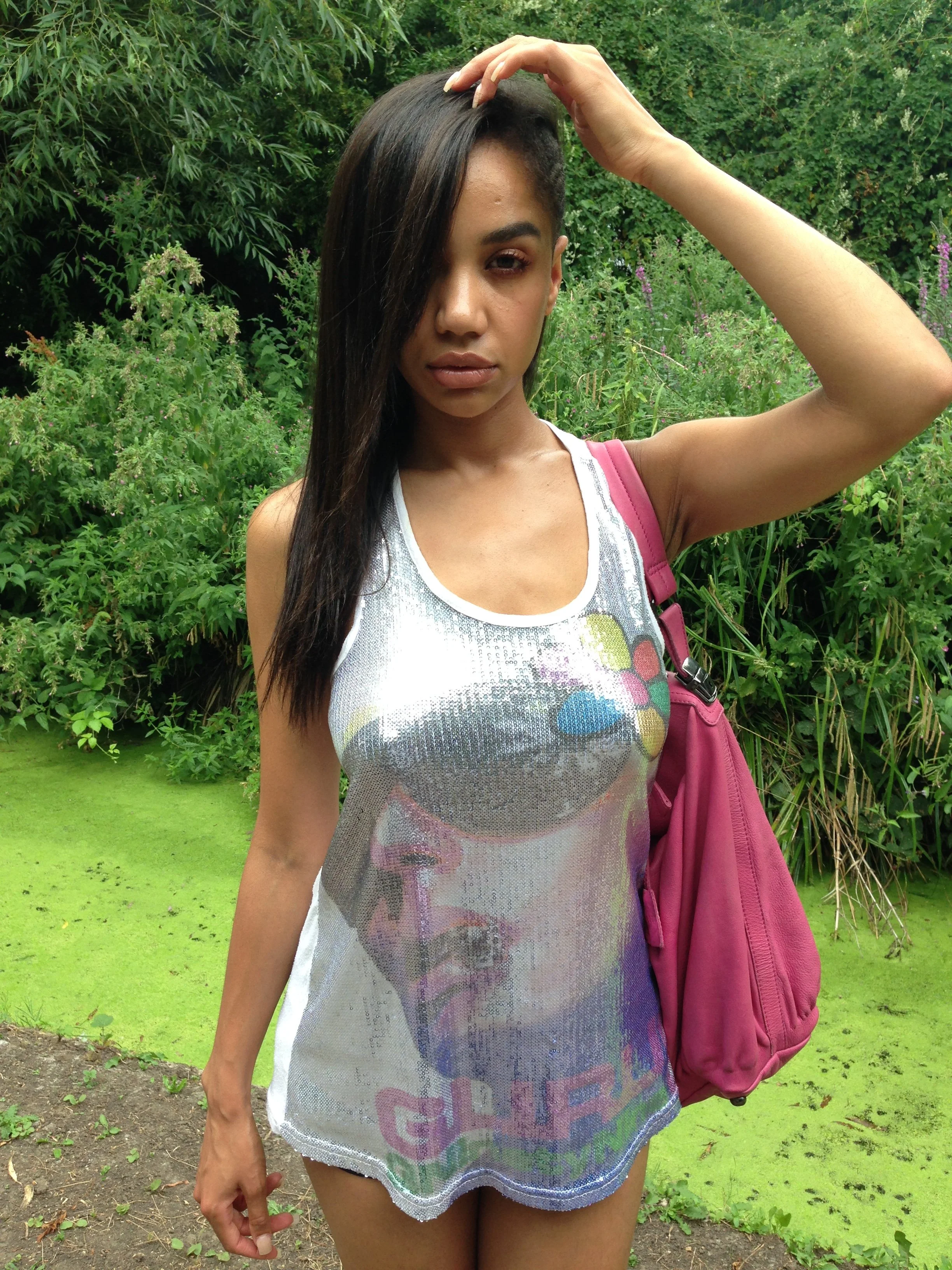
Photos by Veronica Alemu for Church Electronic
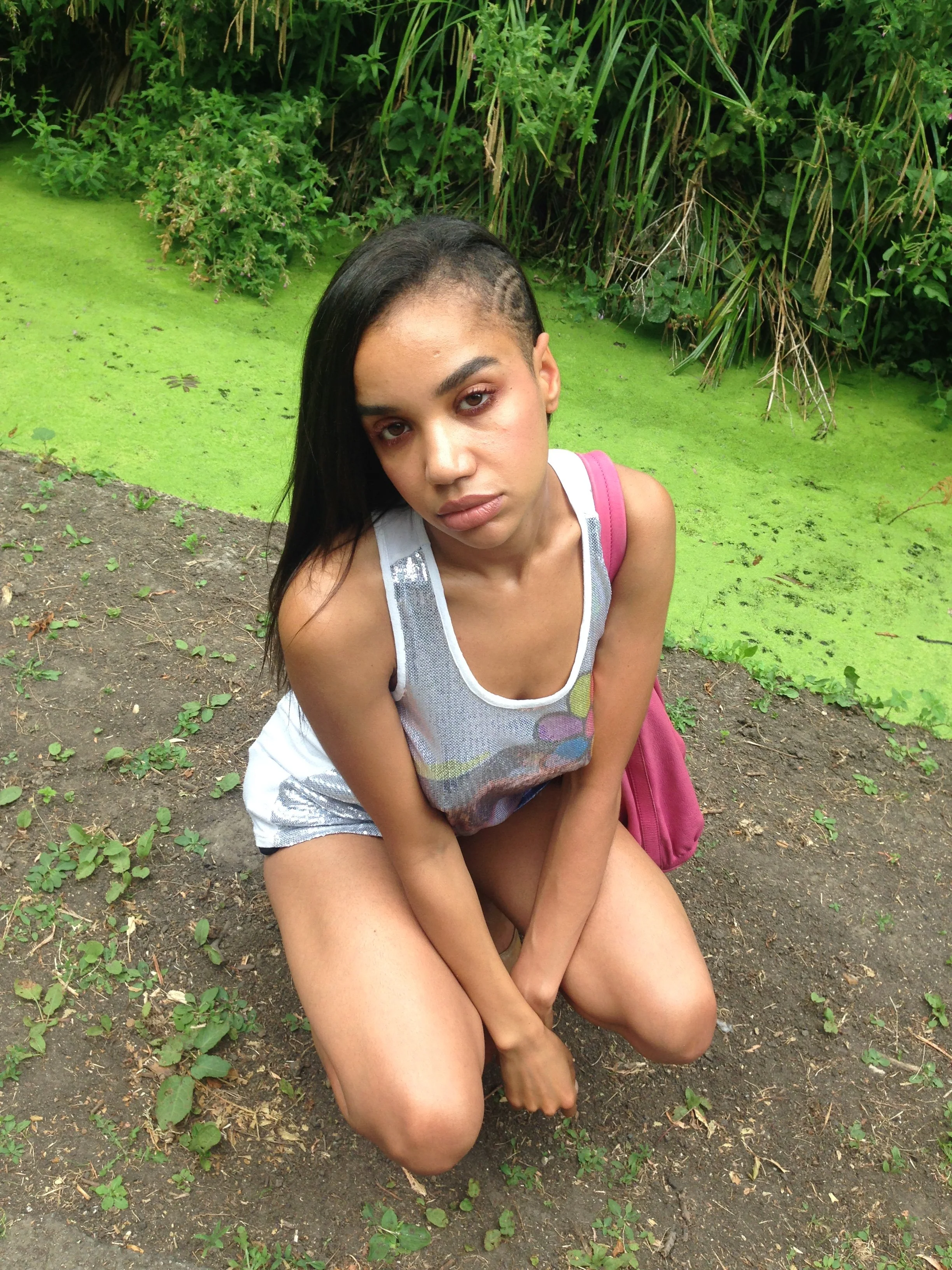

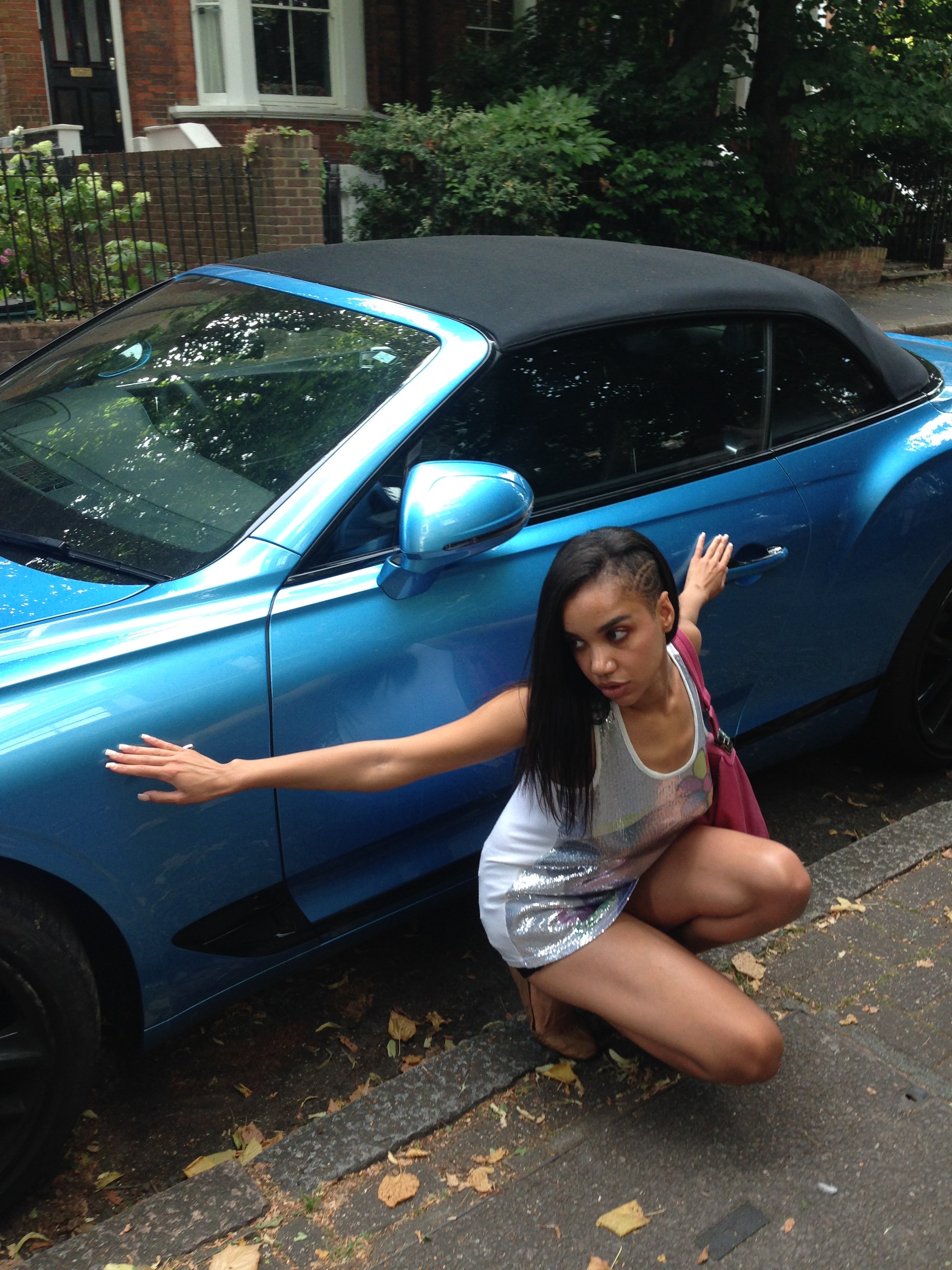
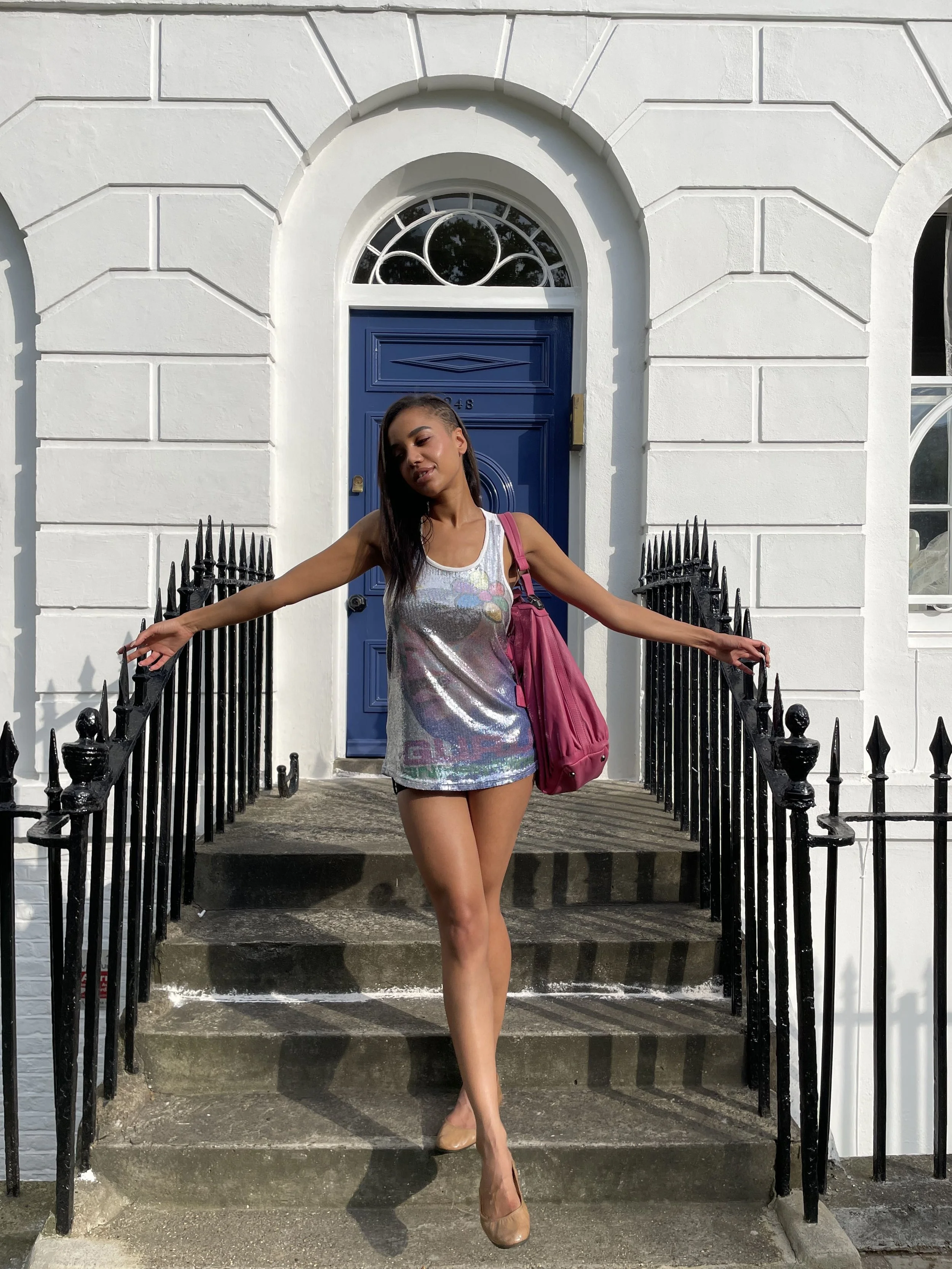
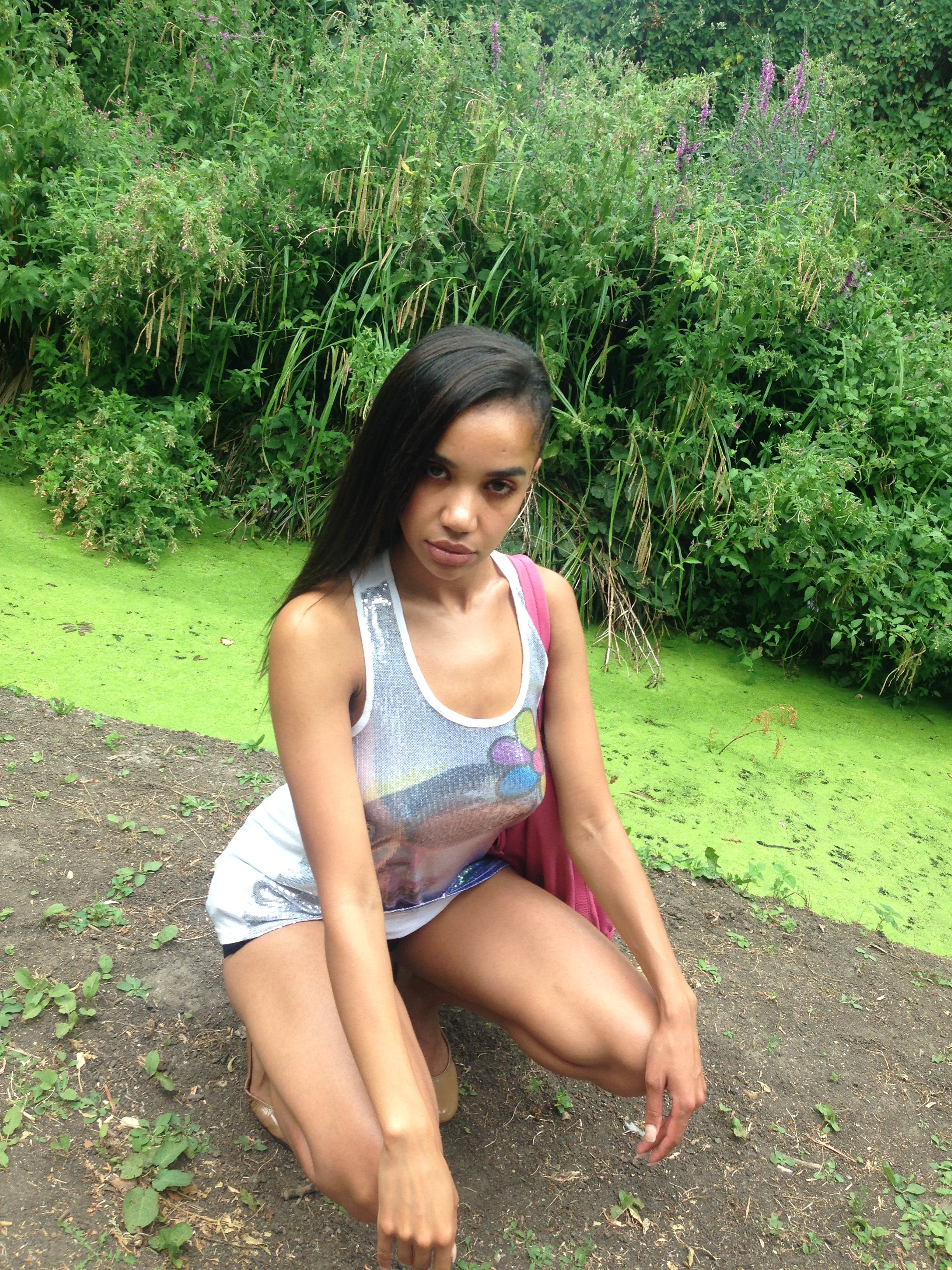
The unapologetic bravado of 2000s pop stars; steampunk, so long as it doesn't veer into what iKeda laughingly calls the "stinky" side; the whimsy of childhood, spun from surrealist children's classics Alice in Wonderland and The Tiger Who Came to Tea and woven into hooks that stick like nursery rhymes (‘Follow the white rabbit / Glass of melted snow / Follow the white rabbit’); the decadence of Art Deco, dark romanticism, latex, corsetry, and circus glamour; her signature haircut, a descendant to the ever-controversial 2013 Skrillex undercut, finished with an eye-shaped design carved into the side when we meet; a sound sculpted alongside songwriter-producer Talitiu where Jamaican dancehall and European electropop coalesce into what can only be described as a technicolor euphoria.
Somewhere between this seemingly impossible collage of references, the London-based artist iKeda has finally arrived at a name for her sound: Bubble Riddim. More than a genre label, it’s a creative philosophy that extends beyond just the music itself. It’s urban. It’s dancey. It’s flirty. After all, the name was first born from the provocatively-titled “I Wanna F_ck,” iKeda’s first rabbit hole into Misik Muzik’s Cute Bubble Riddim compilation. An unlikely origin story, but one that feels perfectly suited to an artist whose music thrives on unlikely pairings. But for all its contradictions—between fantasy and the club, between the childish and the risqué—iKeda’s Bubble Riddim ultimately comes down to a singular feeling, like “you’re a pretty flower in a concrete jungle of chaos.”
By Katie Li
July 27th 2026
“I've always struggled when it comes to like questions about the genre of music that I make. I feel like a lot of people would put me in electro pop. But I feel like my sound transcends the electro pop stuff. They're usually referring to a certain type of electro pop, like Yelle, Robyn, or La Roux, who I love, but I feel like I just had to come up with my own genre. So I came up with one—Bubble Riddim Music.”
A month removed from touring Europe with PinkPantheress, iKeda speaks to us as we’re led down a footpath lined with greenery, London’s New River Walk and her personal pocket of calm in the city. Built in the 1600s—right when the literary fairytale was first born—it’s almost accidentally storybook; follow the path far enough and you’ll eventually find ‘the Castle.’ Growing up between both this corner of North London and Jamaica, her first exposures to music were already strangely close to her Bubble Riddim sound: her father, a reggae artist and her mother, a lifelong garage girl who continued clubbing well into her 40s and filled the house with Pirate Radio and BBC 1Xtra during those dreaded Saturday morning cleanings. And long before she knew what hooks or toplines were, she began humming melodies—with or without the riddim instrumental—a habit that eventually followed her into the studio and to the club, DJing clubs with decade-long friend Babymorocco, whose Phatboy collective platformed her earliest releases.
Before Bubble Riddim, iKeda's earliest offer a glimpse into an artist still testing the waters of her sound with three official singles, a four-track EP, and a few unreleased demos she she insists should remain elusive so the real ones will “have to work hard to find [it]. Her first releases, “Push My*” and “Ocean Nights,” are easily her most approachable, leaning closer to the glitchier side of electropop; there’s processed, autotuned vocals that teeter between human and robotic, with its most adjacent parallel being Charli XCX’s brand of smug, dry talk-singing and distinctly English pop flair. “Push My*,” her debut as a feature on Bamster’s late-2023 track, was also my first introduction to iKeda, instantly becoming one of the most addictive hooks (release the childhood hum tapes…) I’d heard and possessing me with a never-ending vocal stim: ‘push, push, push, push, push my buttons baby.’ “Ocean Nights” feels like its natural sequel, opening with a distant, hazy beat that sounds like the beginning of a night out before she casually interrupts to order a spicy margarita with a side of ‘cute lifeguard.’ And, by the time the Pretty Little Problem EP arrived in 2024, iKeda was already starting to pull the sound in stranger directions. The electropop was still there—the processed vocals, the pop instincts, the “T-T-Tailtiu, run that!” producer tag stamped onto each track—but the dancehall influence was beginning to sneak through. Bright, wobbly basslines and more off-kilter drum patterns hint at the beginnings of the Bubble Riddim blueprint. Where “N.E.X.” and “Luv Drunk” all but beg for a dance floor, “Rapunzel” is the project’s unexpected detour: the closest thing we get to an iKeda ballad, swapping the club chaos for a little storybook heartbreak. Built around a guitar progression that flips between acoustic sweetness and chorus-pedaled shimmer, the track takes the Grimm Brothers fairytale and gives it a makeover in the typical, beckoning iKeda fashion: “I let my hair down so you’d climb to pass the time / Cross my heart and hope to die / Come rescue me, I’ll be your prize.” It’s her darkest and most emotional moment to-date, one that foreshadows the more surrealist dimension of her musical world.
Enter Bangs N Braces. Promising a ‘more carved out and developed sound,’ her upcoming sophomore EP is slated for an August release and has, so far, been introduced through a pair of singles and their accompanying music videos: “RED RED” and “Go!” Released rather fittingly on Valentine’s Day of this year, “RED RED” finds iKeda at her most theatrical, reveling both visually and sonically in a sort of masochistic, delayed gratification. While the video spends well over a minute and a half drifting following iKeda and her accomplice slow-motion strutting through the vast Californian desert, the song is just as patient, opening with a dryly-spoken monologue that’s exclusive to the music video and hints at a vaguely murderous crime—whether of man or machine, it’s never quite clear—before any semblance of percussion breaks the tension. It’s perhaps her most experimental track yet, the same languid, drawled out flow repeating as the instrumental progressively glitches, splinters, and crowds in. Almost instantly, it's hard not to catch flashes of the drama Rihanna and Lady Gaga videos bring, from the cinematic title card to a glamorous partners-in-crime dynamic à la Gaga and Beyonce’s “Telephone” video.
Released just last week, “Go!” arrives as the natural foil, trading “RED RED”’s contentment to let its tension simmer in exchange for pure momentum. With a surprisingly restrained riddim instrumental built around little more than a chanting vocal line and a singular bassline shadowing its triplet kick pattern, “Go!” makes the clearest case for Bubble Riddim’s dancehall roots. Fittingly, the accompanying music video fulfills a longtime dream of iKeda’s, filmed in Kingston, Jamaica beside a sugarcane field and weaving through the shell of an abandoned building. Half music video and half lyric video, it’s all movement, every “left,” “right,” and “forward” coordinated to synchronized hip rolls and dropping it low. With Bangs N Braces poised to hard launch Bubble Riddim in full nuance, iKeda is already tentatively soft launching the live rollout of headline shows—leaving no doubt that we’ll be watching closely for what assuredly absurd rabbits she’ll pull out of her hat next.
Watch our full conversation with iKeda below.
……………………………………………………………………………..