LILI CASTIGLIONI
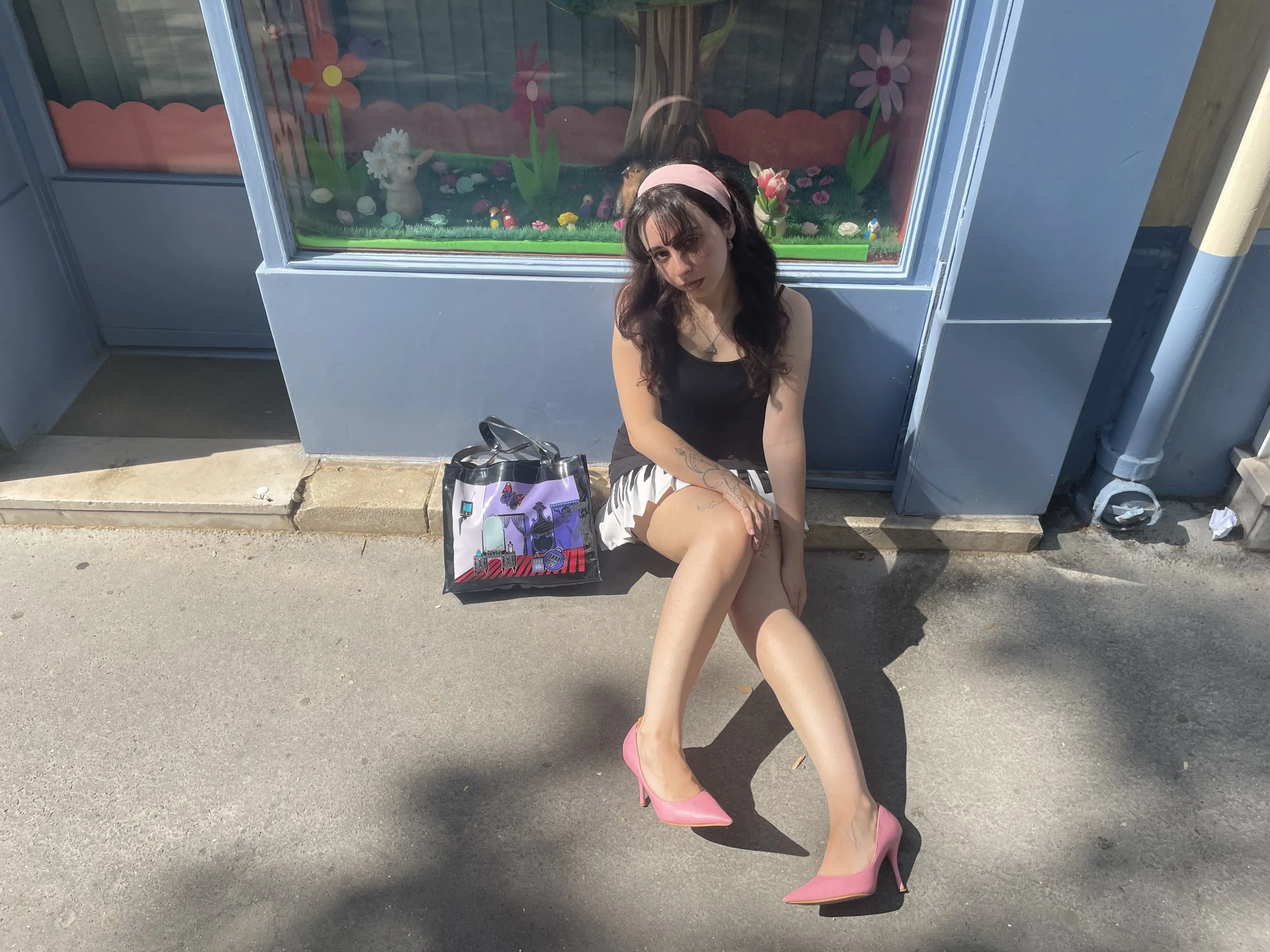
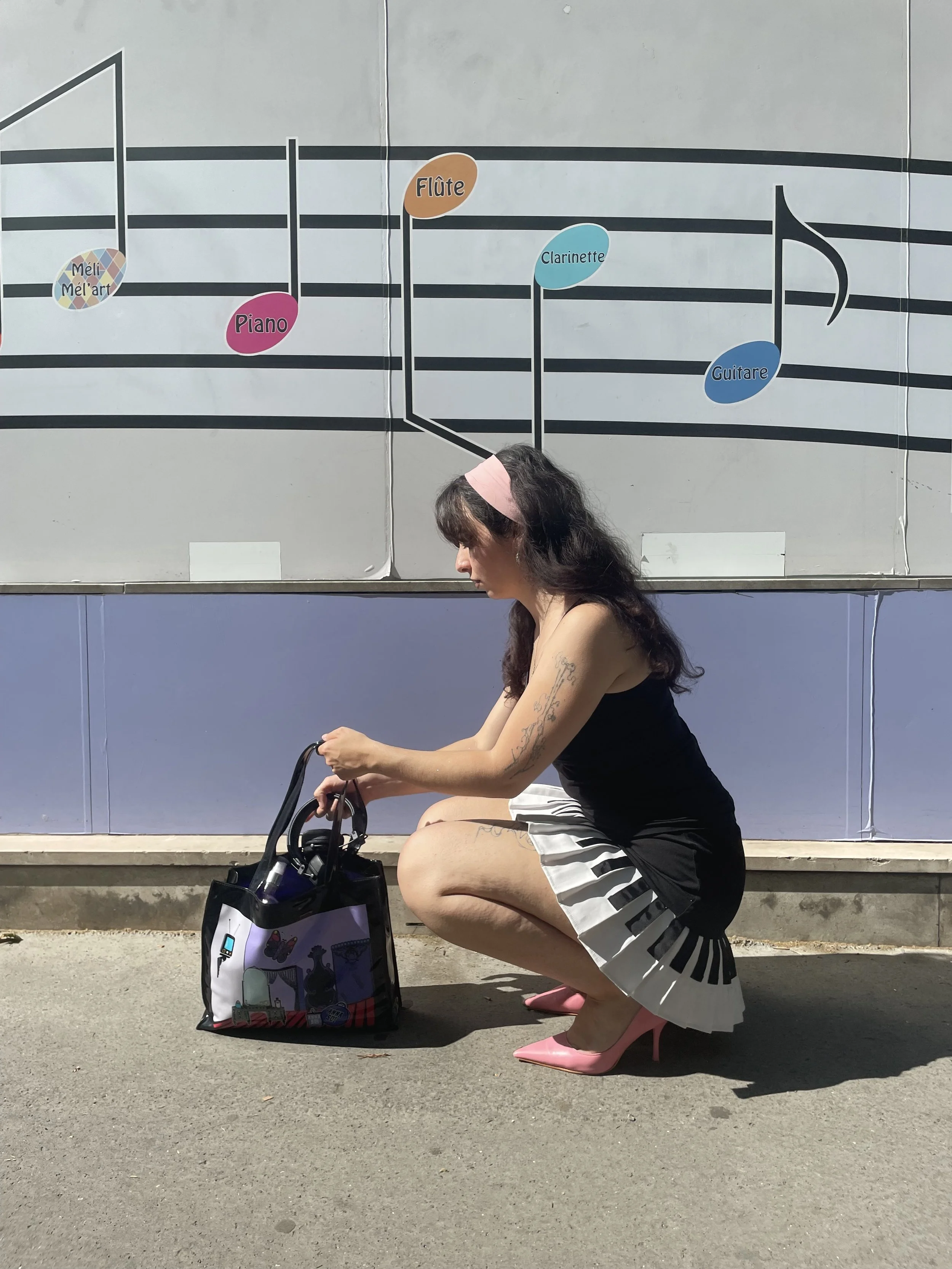
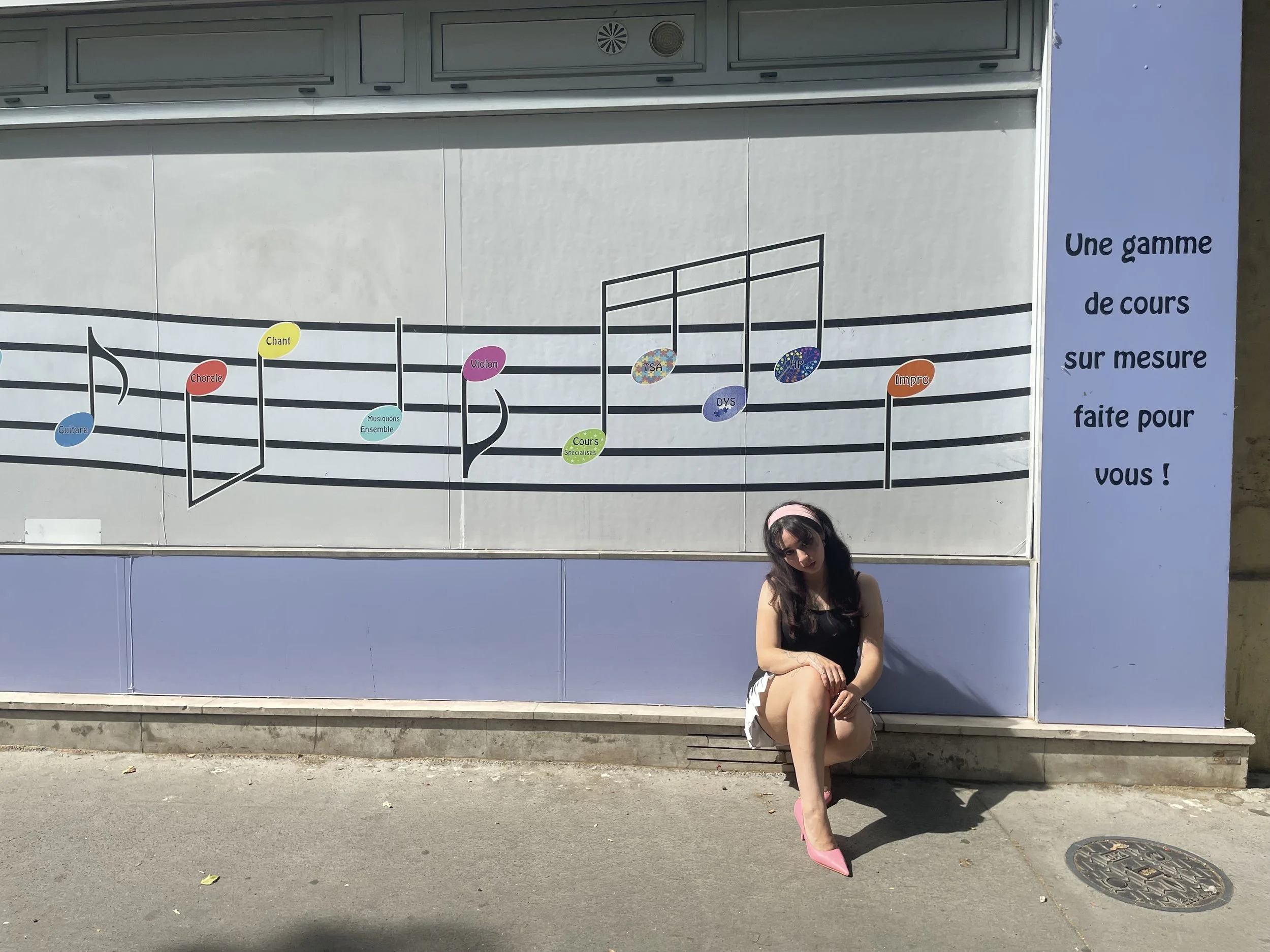
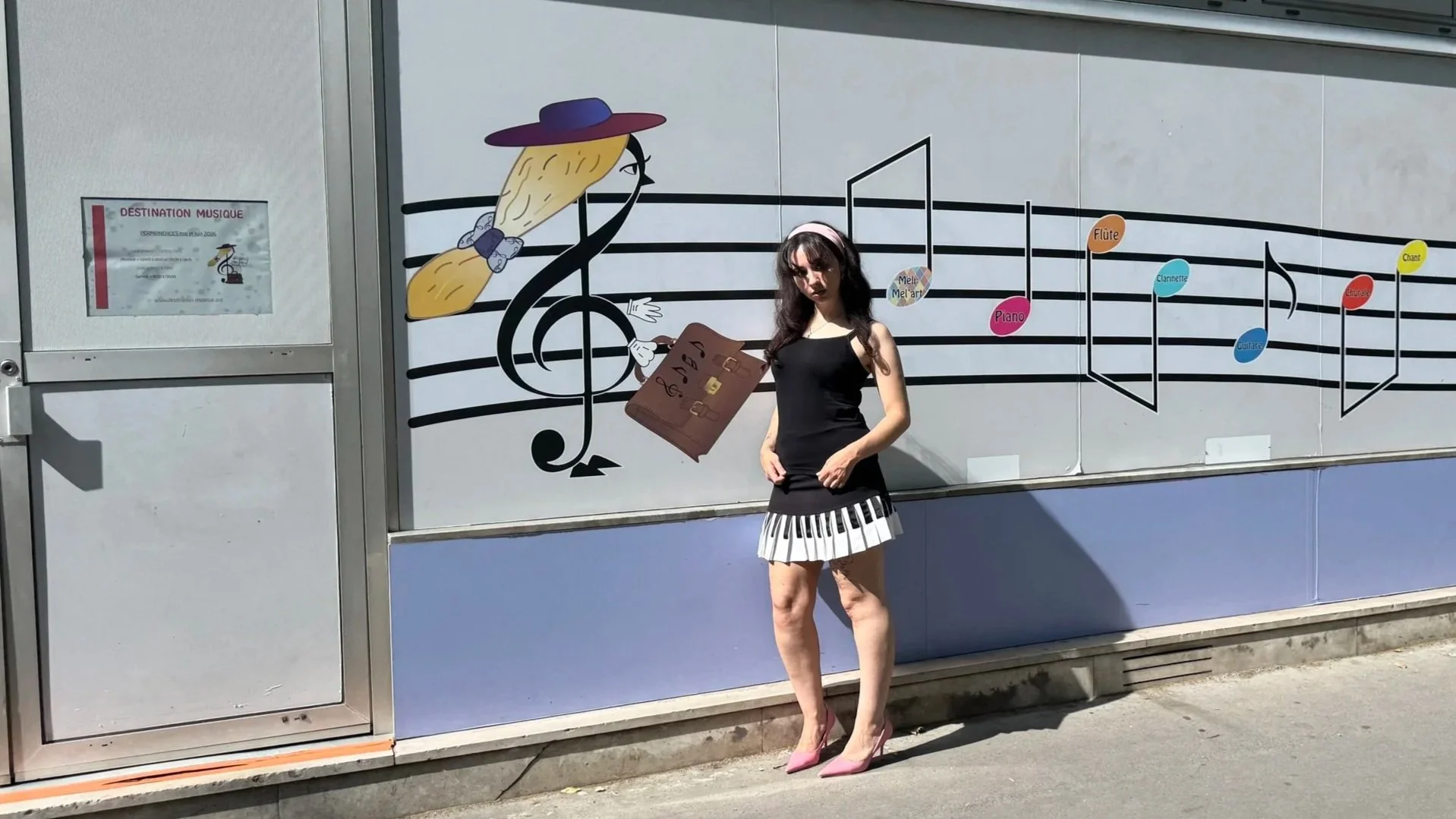
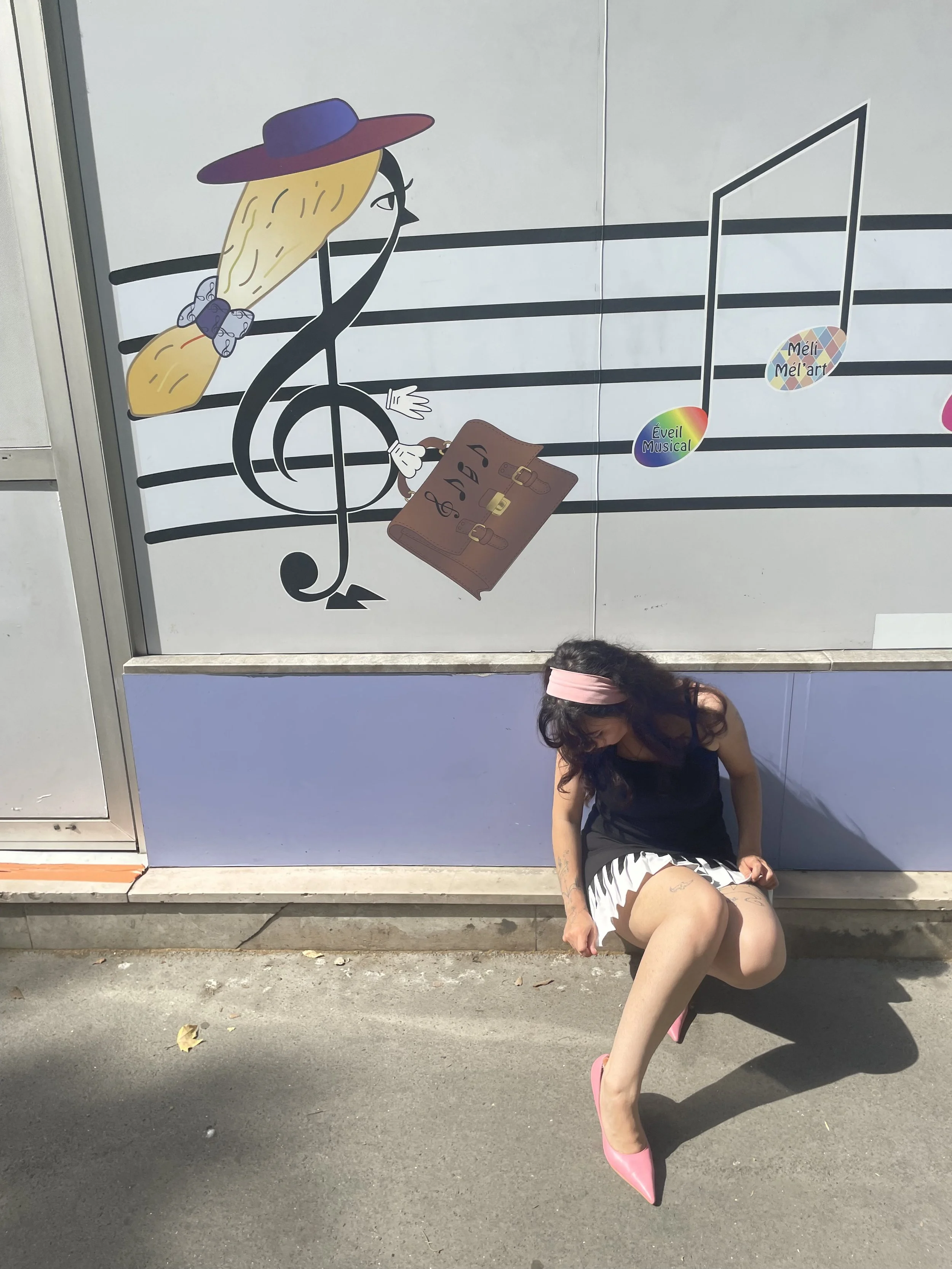
The bedroom of a teenage girl is a strange little archive of desire, fantasy, and the things we refuse to outgrow—look a little closer past the clutter and the detritus, and you’ll find French electropop artist Lili Castiglioni’s musical blueprint. “Castles, old Disney princess films, glitter, Anna Sui cosmetics, Lolita accessories, Vivienne Westwood, and Ashley Williams.” Her references read like a particularly well-curated moodboard, somewhere between a childhood dress-up box and the resident cool girl at school’s bedroom wall. It’s a sacred space both intentionally and markedly untouched by any masculine influence, the same fortress from which Castiglioni’s assumedly consumed and subsequently developed an equally ‘no-boys-allowed’ visual and sonic palette as well: “Charli XCX, Marina and the Diamonds, Britney Spears, Alizée, Petra Collins, Mika Ninagawa, Mean Girls. The mix between red, purple, blue, and pink.” This hyperspecific repertoire of all things girl are equal-parts her palette, texture, costume, and sound.
The Corsican-born, Paris-based artist singularizes her music as broadly ‘electropop’, one that occasionally veers into the tradition of French Touch. Yet, sometimes, genre only gets you so far. Her preferred shorthand is deceptively simple: music that is “girly” in spirit, but unapologetically maximalist in its fashion to match its pop sensibilities. But that distinction between sonic and visual identity seems almost beside the point; if the song doesn’t match whatever ultra-niche outfit she’s finally ready to unearth from the Lolita-obsessed closet, something has gone wrong.
By Katie Li
September 12th 2026
Even in her darker seasons, Castiglioni wears her heart on her sleeve—figuratively and literally, physically and musically, in life and in art. While making GRIEF SEED, her early 2025 debut album, she describes the project as a melancholic, drastic departure from the whimsy emotional place she frequents now: “I was really sad and, thank God, I’m not anymore,” she says, “I wanted to prove something, so I worked a lot, a lot, a lot. I searched a lot of sounds and I sampled a lot too, and I was really honest.”
Sonically, GRIEF SEED lives almost entirely in the minor, rarely breaking the 100 BPM mark. It moves with a slow, ominous gravity, recalling the same eerie, suspended vastness and emotionally-exhausted affect of witchhouse artists like Sidewalks and Skeletons as something more ecclesiastical lurks underneath. On “HARPIE LADY,” Castiglioni strips the production almost bare: her voice hangs alone in a wash of reverb, with no percussion or instrumentation for its first 90 seconds. It’s perhaps her loneliest moment, evoking the solemnity of a Sunday service in some Renaissance-style cathedral, before, as the title promises, harps enter over dissonant chords and arpeggios whose tension is never quite resolved. “SILENT CHOIR,” featuring frequent collaborator Clara Kimera, is similarly foggy and claustrophobic. For nearly two minutes, Castiglioni pleads, “if you truly love me,” stretching the words across a mounting tension that only finally breaks with the arrival of a slow, syncopated drum beat. Then, comes the title track, which fittingly opens the project. “GRIEF SEED” recalls the warped, theatrical darkness of Ms* Gloom’s Ballads of da Bizness era, building toward what is, so far, one of the most emotionally cathartic moments in Castiglioni’s discography. In its final minute, a saw bass pushes beneath her repetition of “When he's ringing all, all the bells in my face / Sending them plastic machines,” delivered with a warped, Dorian Electra-esque theatricality, while wordless vocalizations swell behind her. But beneath all the production and gothic atmosphere sits the album’s most revealing question: “Will I be happy one day without my mood swings?” In retrospect, Castiglioni has found her answer. “I’m still honest, but I’m happy. I’m happier now,” she says.
She continues. “So there’s a big cut in between GRIEF SEED and my next project… I’m having more fun. Now, it’s time for happier times and happier music.” Since then, she’s released five noticeably less emotionally-wrought singles and a flip, including “Dissolving Girl,” a collaboration with producer Rosaliedu38 and her biggest song yet after earning co-signs from KATSEYE and Grimes. Here, there are no more desperate pleads—no words, just stutters clipped into a catchy, club-ready rush. “Dangerous Zone” pushes even further into pop, its music video’s Y2K video-game homescreen and early-internet aesthetics matching the song’s girly, digital gloss. Now, she’s turning toward a new album, one she describes as “glitters, Disney princesses, lullabies, and French touch.” Her ambitions have expanded with it, too: beyond Paris, toward a more international audience and collaborations with more girl producers. The fantasy remains the same, but perhaps it’s time we ventured out of the bedroom with her.
Watch our full conversation with Lili Castiglioni below.
……………………………………………………………………………..